

This reflective personal essay explores the journey from establishing a successful meditation practice to choosing "authority" as a word of the year. Drawing from Jungian psychology and James Hollis's work, it examines the challenges of claiming personal authority in finances, creative pursuits, and relationships. The piece resonates with themes of midlife growth, boundary-setting, and the gradual development of self-trust through small, sustainable changes. Perfect for readers interested in personal development, mindfulness, and authentic living.


Explore the tension between fame and wholeness. Reflect on the pursuit of validation, overcoming idols, and shifting from performance to deep connection. Discover a creative practice focused on lasting impact and moving closer to what truly matters.


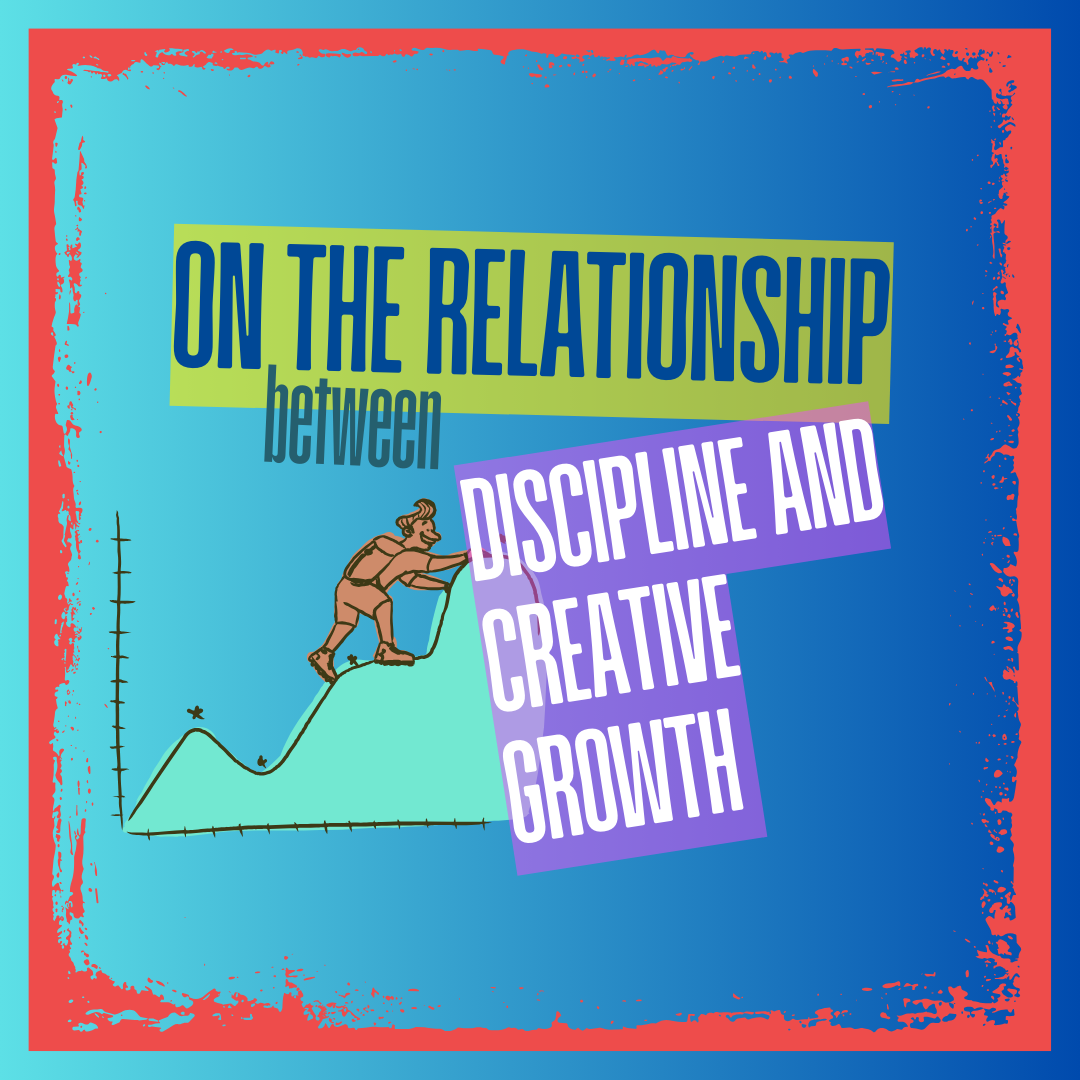
Today, I’m pondering the relationship between discipline and creative spiritual growth.
You, too?
Nah, just me?
I’ve spent most of my life being not very disciplined. It’s kind of haunted me, and now I have two kids who aren’t very disciplined either. But hey, they can tell a joke, hold a conversation with an adult, and are pretty creative in their own right.
So I guess what I’m saying, kids, is “you’re welcome.” 🤗
I think it’s safe to say that this lack of discipline—and the journey to developing it—is part of my path.
What path?
Any path.
The one I’m on.

I want to learn how to trust the wisdom of my body and give myself permission to be my authentic self, so that I can feel connected, confident, and in balance.
I told my life coach yesterday. Yes, I have a life coach. Yes, it makes my stomach turn to say those words out loud. Yes, I don’t know why.
Detour:
Actually, I do know why. It’s because I tend to devalue a profession that has a low barrier to entry. This is a giant chip on my shoulder. Instead of acknowledging that there are good life coaches and bad life coaches, just as there are good and bad therapists, doctors, teachers, and so on, I lump them all together.
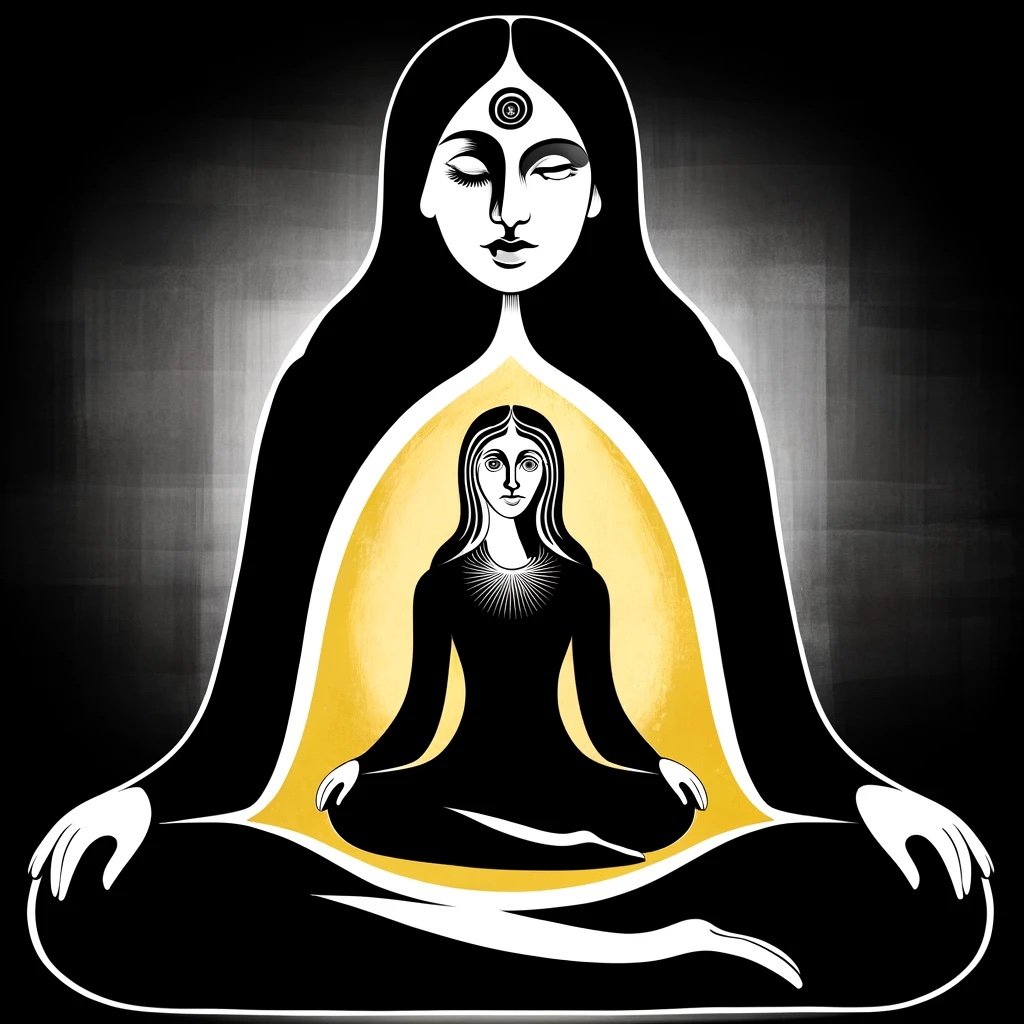
I don’t know if it’s my age, but my deepest self has been calling out to me for the past five years. It began as a whisper, growing more insistent as I moved further away from her. Then, it came on real heavy when my body plunged into issues of panic and anxiety, culminating in a year-and-a-half-long manic episode that resulted in a bipolar 2 diagnosis. Suddenly, my deepest self was screaming, “Help!”

"Pain is inevitable, but suffering is optional."
This phrase, often attributed to Haruki Murakami and rooted in Buddhist teachings, serves as a reminder, a mantra of sorts, especially when it comes to creativity.
I rely on this wisdom as part of my toolkit whenever my artistic endeavors—my very essence as an artist—go unnoticed or ignored. Which is a lot. Especially when you create a lot.

In my latest work, I've discovered creativity through sculpting: subtraction, not addition.
By sculpting, I mean stripping away the unnecessary, refining each moment to its simplest moment. It's through this process of removal that I've reached to the core of what I intended to create.
Working in this way requires a deep trust in oneself, and in the process, but can be very effective.
Just as art often mirrors life, authenticity is crucial. (I know I know…authenticity is often overused, but nevertheless)... When we hide behind elaborate and elevated extraneous words, (like I just did there), heavy/confusing plot lines, exaggerated personalities, or status symbols, our creative expression can falter—at least, that’s been my experience.

I took a brief pause in my 100-day writing project — a pause of one week, to be exact. This past weekend, I had a major performance, and to maintain my balance, I—drumroll, please—paused.
I recently came across a beautiful phrase attributed to the pianist Arthur Rubinstein. When asked how he handles the notes so adeptly, he replied, 'I handle the notes no better than many others, but the pauses—ah! That is where the art resides.'
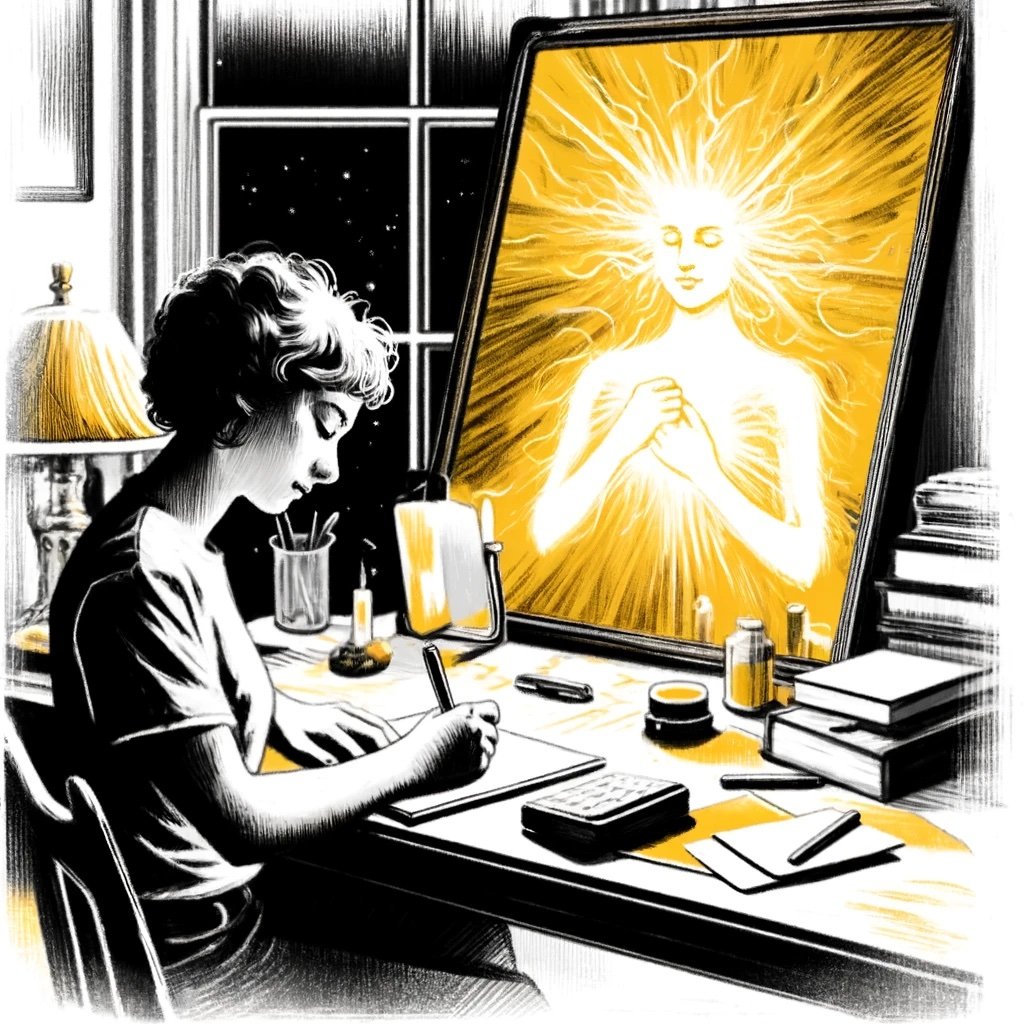
Before my father passed away, he entrusted me with his copy of "Conversations With God." I admit, I was always skeptical about this book. Despite my reservations, I preserved it, sensing its significance. Notably, it contained a note penned in my dad's handwriting within its sleeve.
As a younger person, I was put off by the mere mention of God in the title. I grappled with the concept of God, and I was convinced that the author was merely engaging in a monologue, cleverly disguised as a divine dialogue. This seemed like a gimmick—a way to craft a conversation with "God," document it, and market a book. My cynical side failed to recognize that I was on the verge of doing something remarkably similar.

This morning, I stumbled upon an idea that sparked my curiosity—engaging in a creative writing exercise with an unusual partner: my own back. Yes, you read that right. It's a conversation with my back. As I delve into innovative methods of tuning into my body, I've realized the potential of such exercises. They're not just about listening; they're about engaging in a dialogue. So, I set out to ask questions and document the responses from this often-ignored part of myself. Let's see what secrets and insights my back holds.
Here’s how it went.

Picture this: a person is so convinced that losing their shadow would make them happy, they spend their whole life running from it. But no matter how fast or far they run, that shadow sticks around like it’s glued to their heels. Eventually, they run themselves ragged and just can’t go anymore.
What if there’s a better way? Imagine if instead of running, they just stopped, found a nice tree, and chilled out in its shade for a while. They might see that their shadow isn’t something scary to outrun, but a part of who they are—something to sit down with, not sprint away from.

I think a lot about my internal drive for achievement, and my unconscious drive for fame.
I suppose I shouldn’t say it’s unconscious, because here I am, writing it down.
I heard Arthur Brooks talk to Dan Harris about the four idols: money, power, pleasure, and fame.
The most dopamine comes from these not very satisfying rewards.
But, they are so satisfying, aren’t they?
My idol, fame, isn’t quite the conventional construct. Truthfully, I don’t aspire to traditional fame; I believe it would overwhelm me. Given my chronic illness, my body could not withstand the constant demands.

'Can you remember who you were before the world told you who you're supposed to be?' is often credited to Charles Bukowski, though it’s not certain he actually said it. Let’s assume he did, or someone like him did.
These days, a big part of my creative life involves shedding layers of cultural conditioning to rediscover the joyous creator I was at ten years old, who made things just for the sake of making them.

In theater and comedy, being great means being bold. This is often described as "taking a big swing."
What does it mean to take a big swing?
It refers to those crucial moments where you put everything on the line with a bold move. This isn't about playing it safe; it’s about risking it all for the chance to make a significant impact. When you take a big swing, you could indeed fail—I've been there, experiencing the sting when the expected laughter doesn't come, and the room falls silent. Sometimes, what you try might not work, leaving your efforts unnoticed.

I could spend all day, every day, listening to stories about people discovering their purpose. Chances are, you feel the same way.
We humans are perpetual seekers, endlessly asking ourselves, "What is my purpose?"
I'd welcome any medium—be it a YouTube channel, a blog, a book, a podcast, or even a message delivered by pigeon—that could offer insights into finding my life's purpose.
Time and again, I find myself searching for guidance from others on how to uncover this elusive quest.

Dear Creative Friend,
You have something within you.
Something that needs to be said.
Is it a lyric?
A painting?
An essay on love?
A melody that wants to be shaped?
Is it just something as simple as sharing a truth for the first time?
It is waiting for you to release it from inside you.